

Moisture uptake
Lower than PA6-CF


Bambu Lab PAHT-CF with Spool
Lower than PA6-CF
Enhanced Z-direction strength
Rigidity & heat resistance
| Material | PAHT-CF |
|---|---|
| Manufacturing process | FDM / FFF |
| Filament diameter | 1.75 mm |
| Net filament weight | 500 g / 1 kg |
| Nozzle temperature | 260–290 °C |
| Bed temperature | 80–100 °C |
| Oven drying | 80 °C · 8–12 h |
| Recommended speed limit | < 100 mm/s |
Bambu Lab
The high-temperature nylon composite absorbs less moisture than conventional PA6-CF, helping retain mechanical performance in humid use.
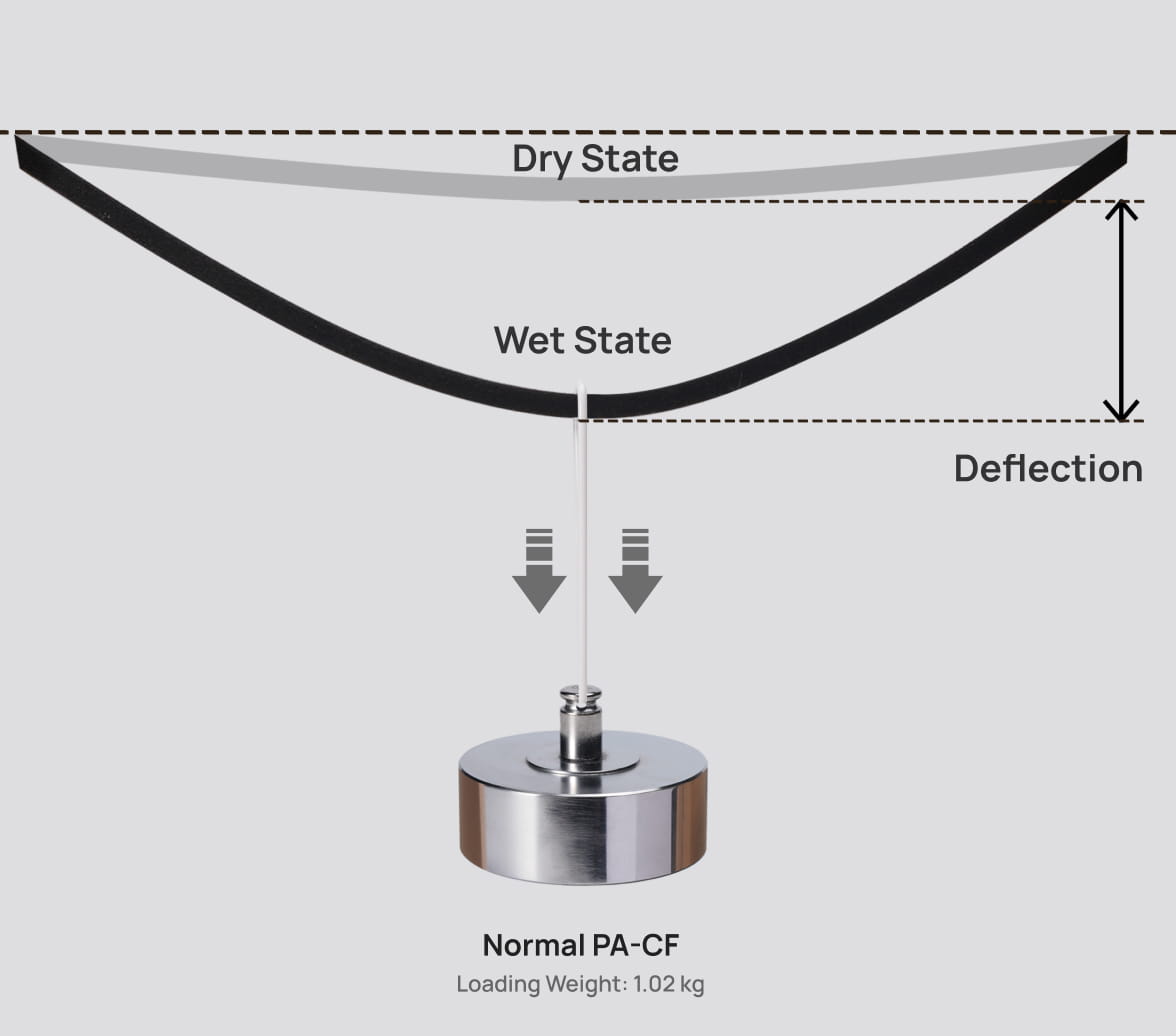
The high-temperature nylon composite absorbs less moisture than conventional PA6-CF, helping retain mechanical performance in humid use.
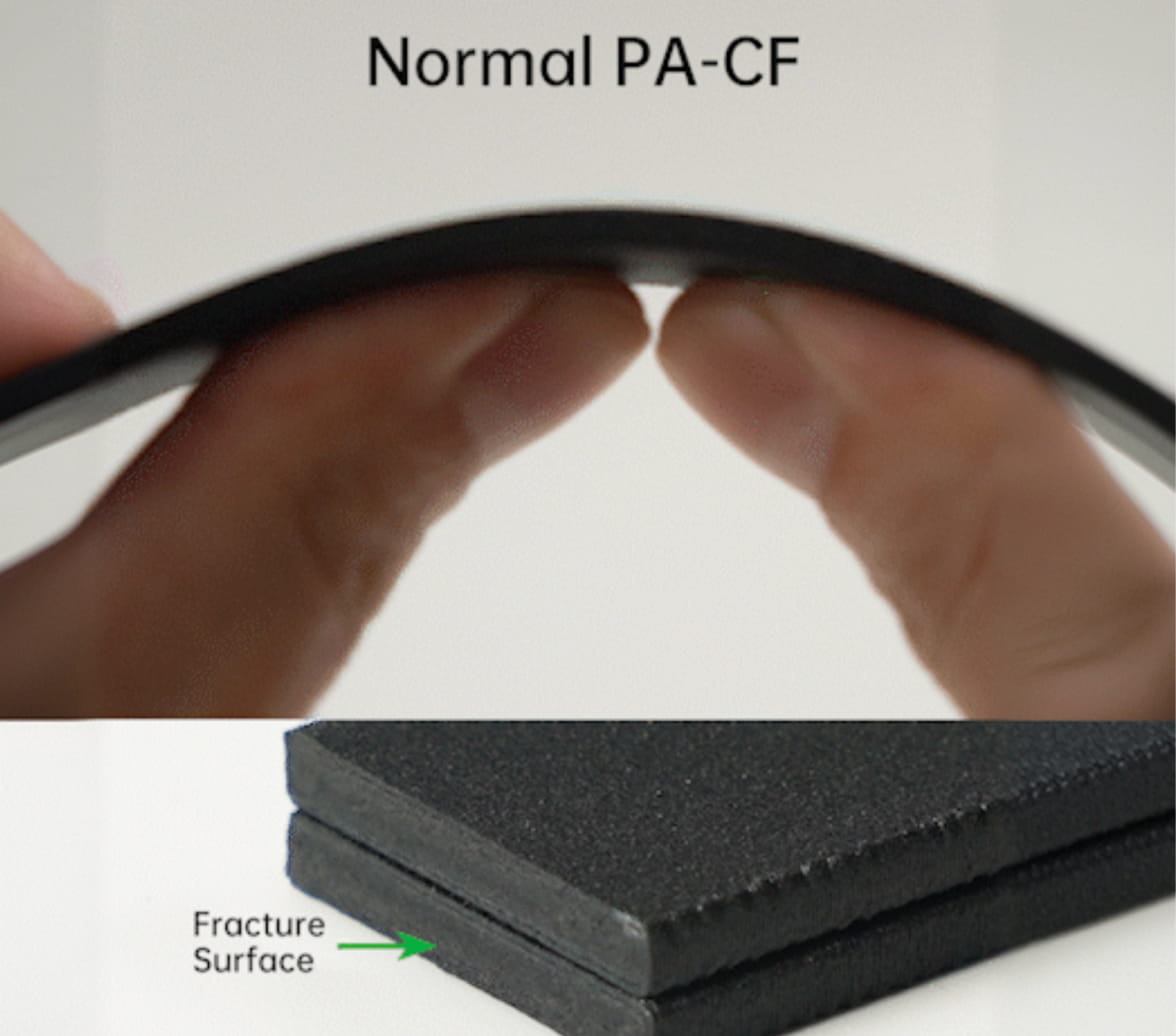
The formulation targets stronger Z-direction bonding for functional parts. Orient the model for its actual loading direction.
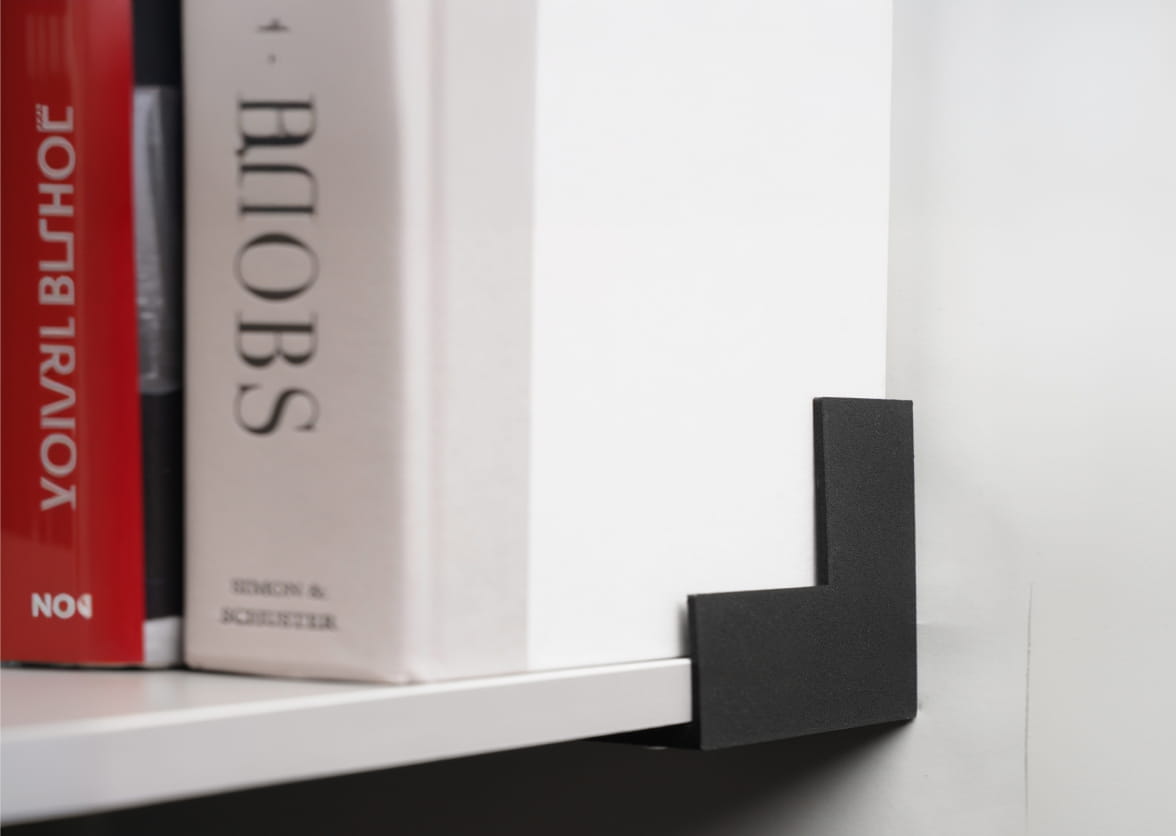
Use PAHT-CF for tooling and demanding components where stiffness and temperature resistance matter. Validate the printed design rather than relying on bulk material strength alone.
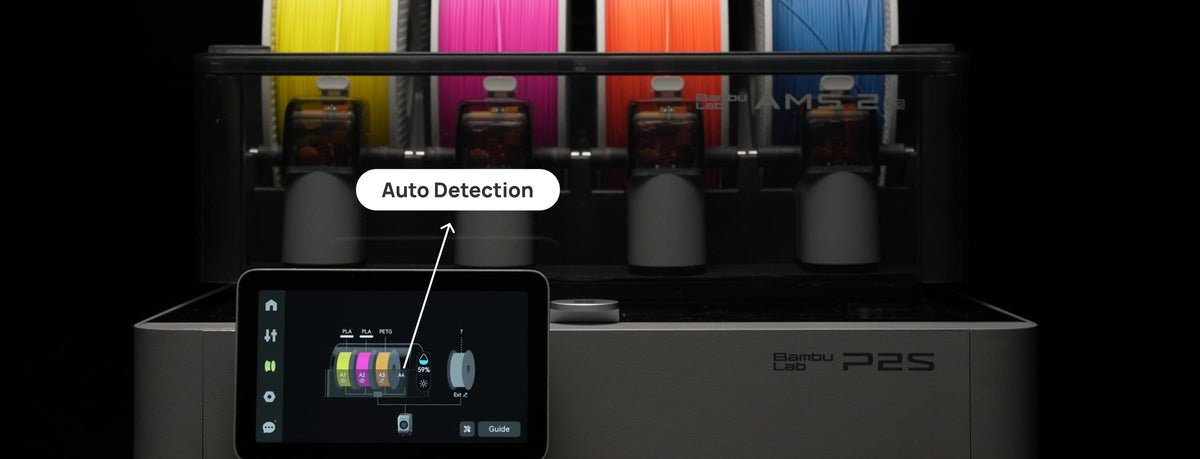
Compatible Bambu AMS systems identify the material from the spool RFID. Check the compatibility of the exact filament and feeding system.
Oven drying reference: 80 °C · 8–12 h. Keep the filament sealed with desiccant after drying. Follow the drying equipment guidance and the spool temperature limit.
Use a wear-resistant nozzle and verify the printer temperature capability. Dry the composite before printing and validate part orientation for the expected loads.
1 filament spool in the selected colour and weight